Plasma vs. Serum: Why the Red Top Tube is Forbidden
Using serum for cfDNA testing is the most common rookie mistake. We explain why the clotting process creates a 'genomic explosion' that invalidates results.
Plasma vs. Serum: Why the Red Top Tube is Forbidden
In routine veterinary diagnostics, plasma (purple/green top) and serum (red/tiger top) are often interchangeable. If you need to run a phenobarbital level or a thyroid panel, serum is king.
Because of this, many veterinarians instinctively reach for a serum tube when drawing blood for a new test. For cell-free DNA (cfDNA), this is a critical error.
Using serum for liquid biopsy will result in values that are 3 to 10 times higher than the true physiological level, rendering the data useless.
The Physiology of Clotting
To understand why, we have to look at how serum is made. Serum is simply plasma minus clotting factors. To get serum, the blood must clot.
Clotting is a violent cellular event:
1. Platelet Activation: Platelets aggregate and degranulate.
2. Leukocyte Lysis: White blood cells (WBCs) become trapped in the fibrin mesh of the clot. As the clot retracts, many of these WBCs are crushed or undergo lysis (rupture).
The Genomic Explosion
When a white blood cell lyses, it releases its entire genome into the surrounding fluid.
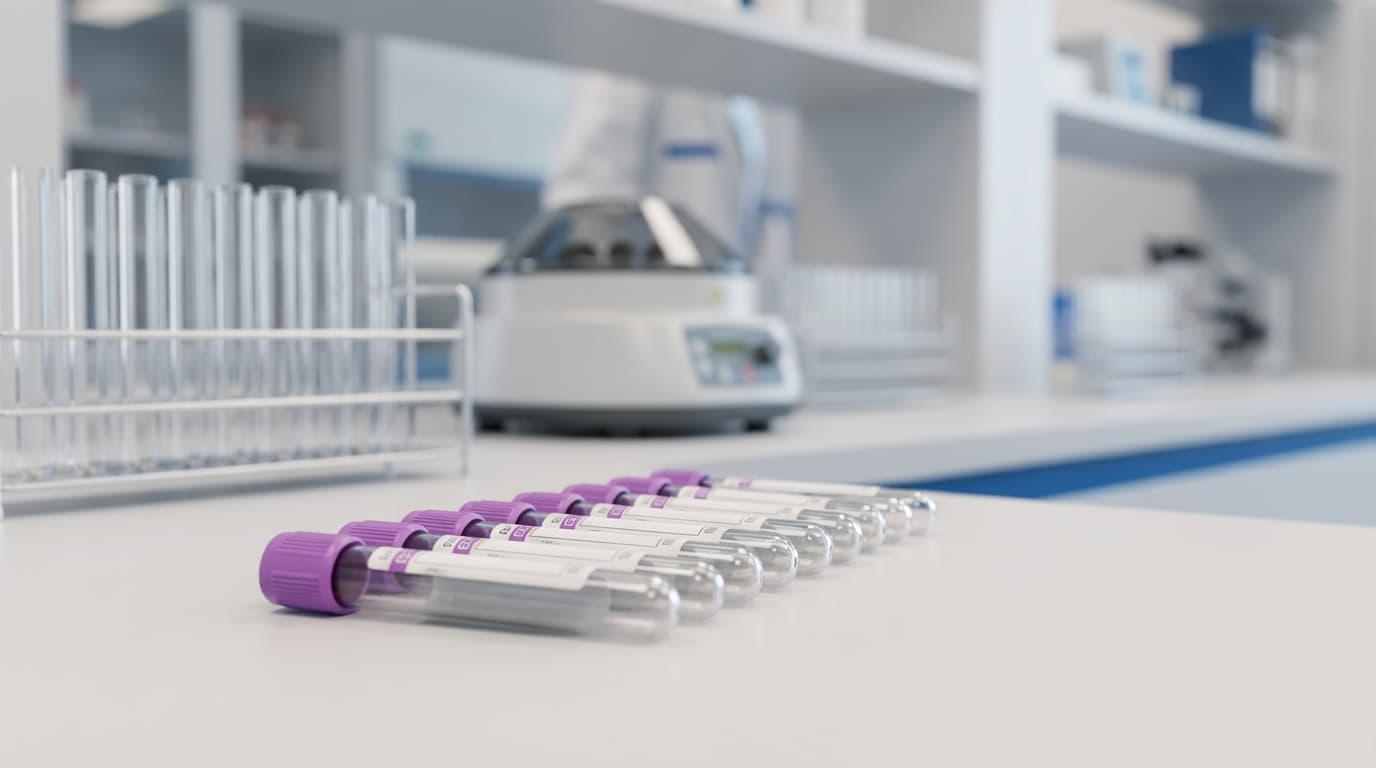
* Plasma (EDTA): The anticoagulant prevents clotting. The cells remain intact. The DNA in the fluid is only what the body naturally released (the true cfDNA).
* Serum (Clot): The clotting process artificially bursts thousands of cells in the tube.
The Data
Multiple validation studies in veterinary medicine have compared paired samples (serum vs. plasma) from the same dog.
* Healthy Dog Plasma: ~0.5 ng/mL.
* Healthy Dog Serum: ~5.0 to 20.0 ng/mL.
If you send serum to a lab for cancer screening, the background noise is so high that it drowns out any tumor signal. It is like trying to hear a whisper at a rock concert.
Exception to the Rule?
Is there ever a time to use serum?
* Some specific infectious disease PCRs: Sometimes labs ask for serum for Leptospirosis or viral PCRs, because they are looking for organism DNA, not host cfDNA, and the organism load might be high enough to survive the noise.
* Liquid Biopsy: Never.
The Takeaway
If your technician asks, "Red top or purple top?" the answer for cfDNA is always Purple (EDTA). If the blood clots, the sample is lost.