
The 'Cooler' Fallacy: Why You Can't Mail EDTA Tubes on the Weekend
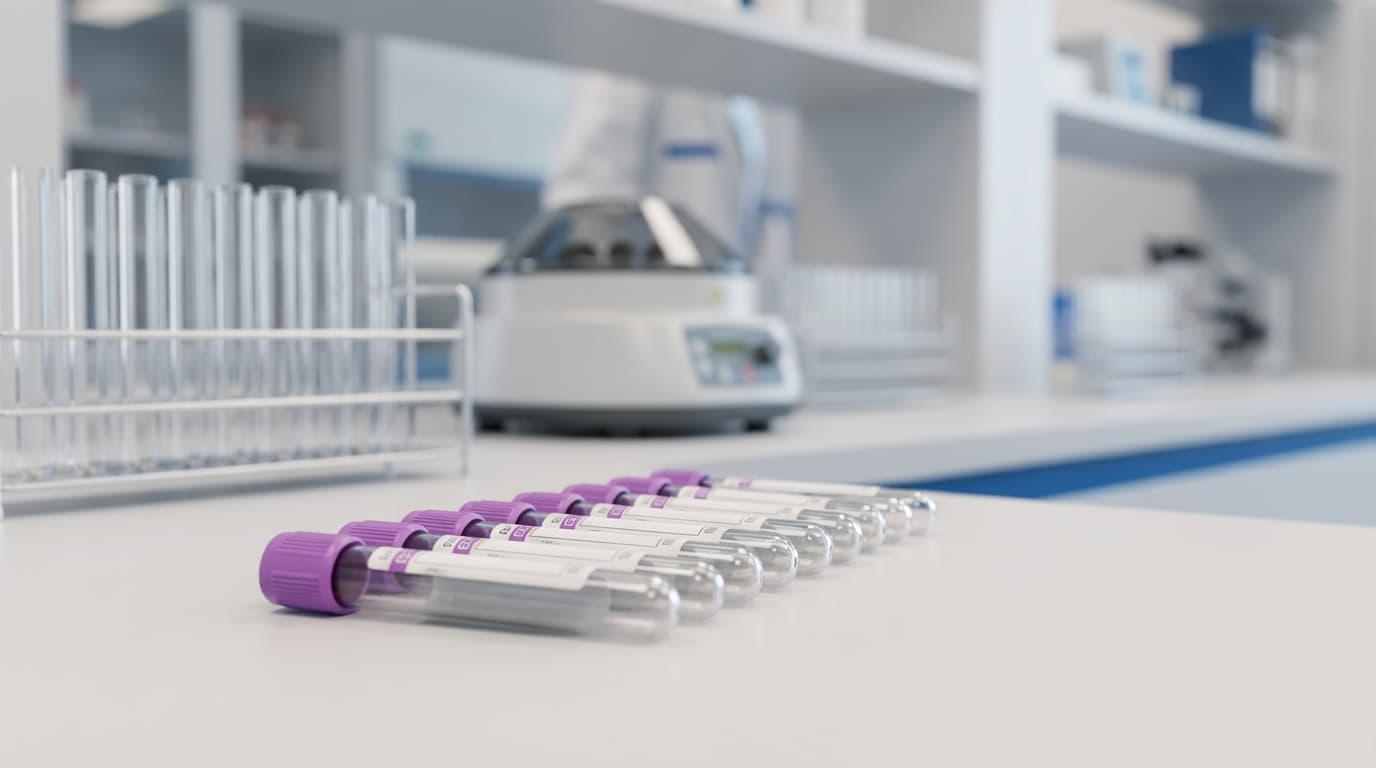
Putting a blood tube in a styrofoam box with an ice pack is not 'preservation.' It is a recipe for lysis. We explain the thermodynamics of shipping failure.
The "Cooler" Fallacy: Why You Can't Mail EDTA Tubes on the Weekend
It is Friday at 4:00 PM. You draw blood for a liquid biopsy. The courier has left. You think, "I'll just put it in a cooler with an ice pack and ship it Monday."
Stop. You have just ruined the sample.
The Myth of Refrigeration
We often assume that cold = suspended animation. For bacteria on a culture swab, this is true. For living white blood cells (WBCs) in an EDTA tube, it is not.
1. Incomplete Inhibition: Refrigeration (4°C) slows down metabolism, but it does not stop the membrane pumps from failing. Over 48–72 hours, the WBCs will slowly degrade and leak genomic DNA.
2. The Ice Pack Trap: An ice pack in a cardboard box does not hold 4°C for 72 hours. It holds it for maybe 12 hours. By Saturday night, that sample is at room temperature. By Sunday, the cells are lysing in the warm tube.
The Comparative Data
A study comparing storage conditions (Letendre et al. and human data) confirms that EDTA blood stored for >24 hours shows a statistically significant increase in background DNA concentration compared to baseline.
This background noise kills the sensitivity of the assay.
The Only Two Options for the Weekend
If you miss the courier on Friday, you have two choices:
1. Process It: Spin the blood down in-house. Harvest the plasma. Freeze the plasma at -20°C. Frozen plasma can sit in your freezer all weekend and be shipped on dry ice Monday.
2. Use a Stabilizer: Draw into a Streck/PAXgene tube. These chemical preservatives are designed to hold WBCs stable at room temperature for up to 7–14 days. You can leave the tube on the counter (temperature controlled) and ship it Monday without ice.
The takeaway: Never trust a blue ice pack to do a freezer's job.